
Process Maps and Workflows
Process maps and workflows aren’t substitutes; they’re complements. A process map is a high-level description of what needs to be done to deliver value to one or more internal or external customers. As a rule of thumb, limiting process maps to 20 or fewer elements is a good idea.
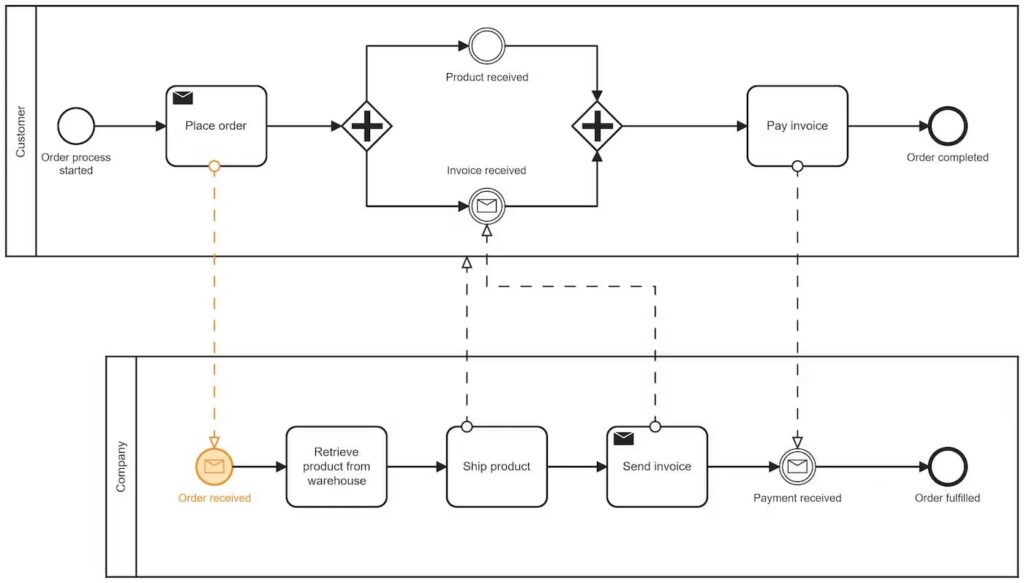
A workflow, however, is a more detailed description of how tasks must be completed. (Procedures represent a further level of detail.)
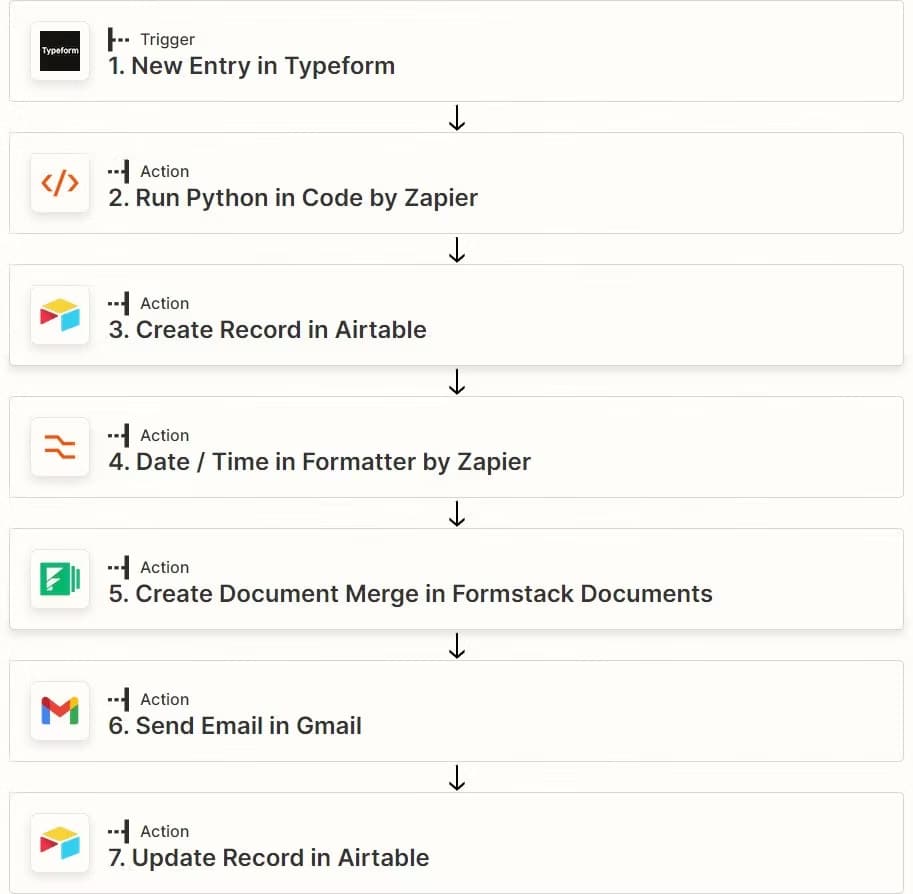
Process maps and workflows differ along several dimensions:
- Scope: BPMN process maps are typically used to model high-level business processes, while workflows are often used to model specific operational processes within a business.
- Level of detail: BPMN process maps focus on documenting the overall flow of a process, while workflows are more detailed and often include specific steps and decision points.
- Flexibility: BPMN process maps are generally more flexible and can be easily modified to reflect changes in the business environment, while workflows are often more rigid and may require significant effort to change.
- Integration: BPMN process maps are often used alongside other business process management (BPM) tools, such as process automation software, whereas workflows are typically implemented within a specific software system.
Ultimately, both are useful.
- Process maps are well-suited to developing a shared understanding across the organization to inform process design decisions.
- Workflows are often necessary to describe the operational implementation of a chosen information technology platform.
Process maps and workflows represent points on a spectrum rather than distinct categories. The choice between the two is a function of context. The tool you select depends on the job at hand.